
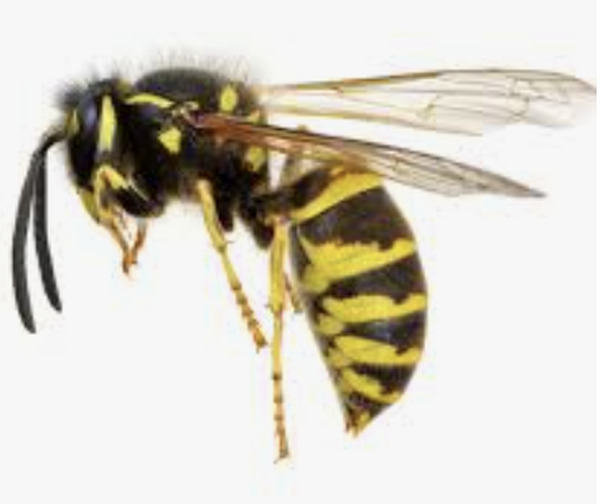
Wasps… often misunderstood little creatures, aren’t they? Most of us think of them as annoying picnic gatecrashers, but the truth is, they do a surprising amount of good in your garden.
For starters, many species are natural pest controllers. They hunt caterpillars, aphids, and flies to feed their larvae, which keeps your plants healthier without you lifting a finger. And they’re not just helping your garden — they’re helping the whole ecosystem. Birds like blackbirds, magpies, and starlings enjoy a wasp snack, as do creatures like wasp spiders, dragonflies, robber flies, beetles, and even hornets. That’s a lot of connections keeping your garden in balance!
Adult wasps also enjoy a sweet treat of nectar, and while they aren’t as efficient at pollination as bees, they do their bit. Certain plants, like figs, even rely entirely on tiny wasps for pollination — though most figs grown in the UK are self-fertile. If you want to keep your wasp visitors happy (and out of your picnic), plant nectar-rich favourites like lavender, fennel, and mint.
Late summer is the time when you might notice them buzzing around fallen fruit. That’s because they need extra sugar to fuel their colonies. A little tip: put out overripe fruit in a quiet corner of your garden, and they’ll happily snack there instead of hovering over your tables and patios.
So, the next time a wasp gets a bit too close while you’re enjoying your sandwich, take a deep breath and remember: they’re not just pests. They’re garden allies — hunting pests, pollinating flowers, and helping keep ecosystems healthy. Give them space, offer a little nectar, and maybe even a saucer of sugar water or jam in a corner for them to enjoy. Your garden — and your birdsong — will thank you!
Firstly ....... Don’t worry!
Wasps are only aggressive if they feel threatened, so spotting a nest isn’t an emergency. Their nests are actually quite fascinating — usually spherical or oval, with a single entrance hole, and made of a delicate, paper-like material. They’re surprisingly beautiful when you take a closer look!
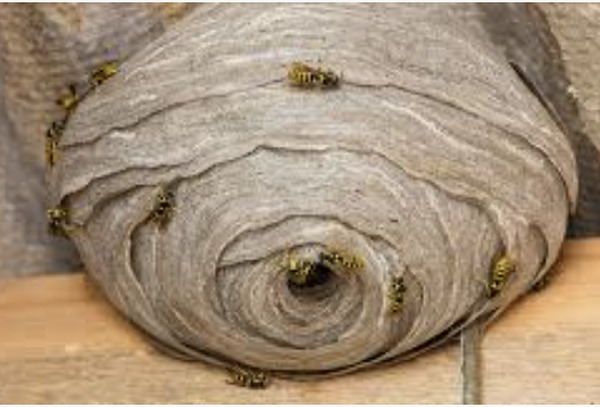
Most wasp colonies die off naturally in autumn, leaving only the new queens to start fresh next year. If the nest isn’t causing a problem, the best thing you can do is simply leave it alone. They rarely use the same nest twice so don’t worry about them coming back to it next year.
If the nest really does need to be moved — for example, if it’s in a doorway or somewhere children play — it’s safest to call a professional pest controller. They can safely remove and relocate the nest without harming the wasps, letting your garden helpers continue their important work elsewhere.


